
New Orleans Beignets Recipe
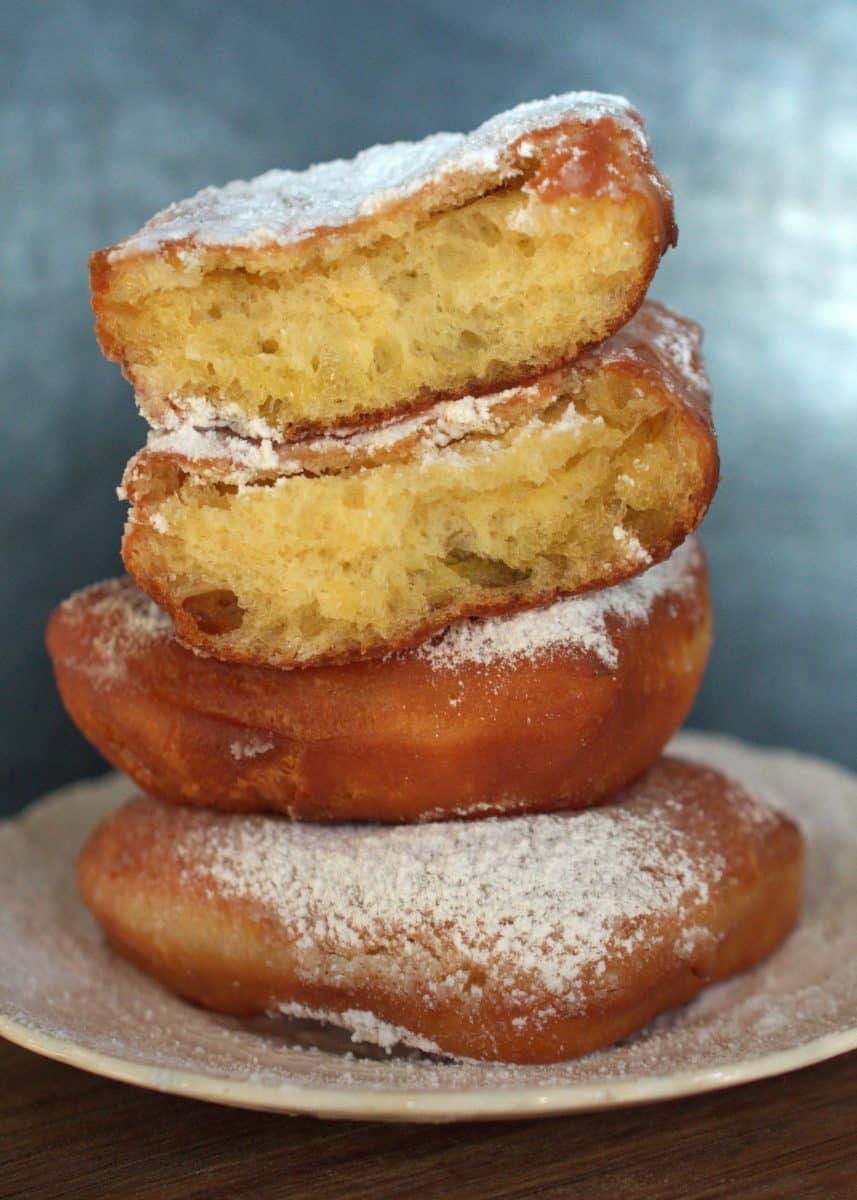
An old and loved recipe from our website, delicious and pillowy soft New Orleans Beignets. This recipe will give you the best-tasting beignets inspired by one of our favorite movies, The Princess and the Frog.
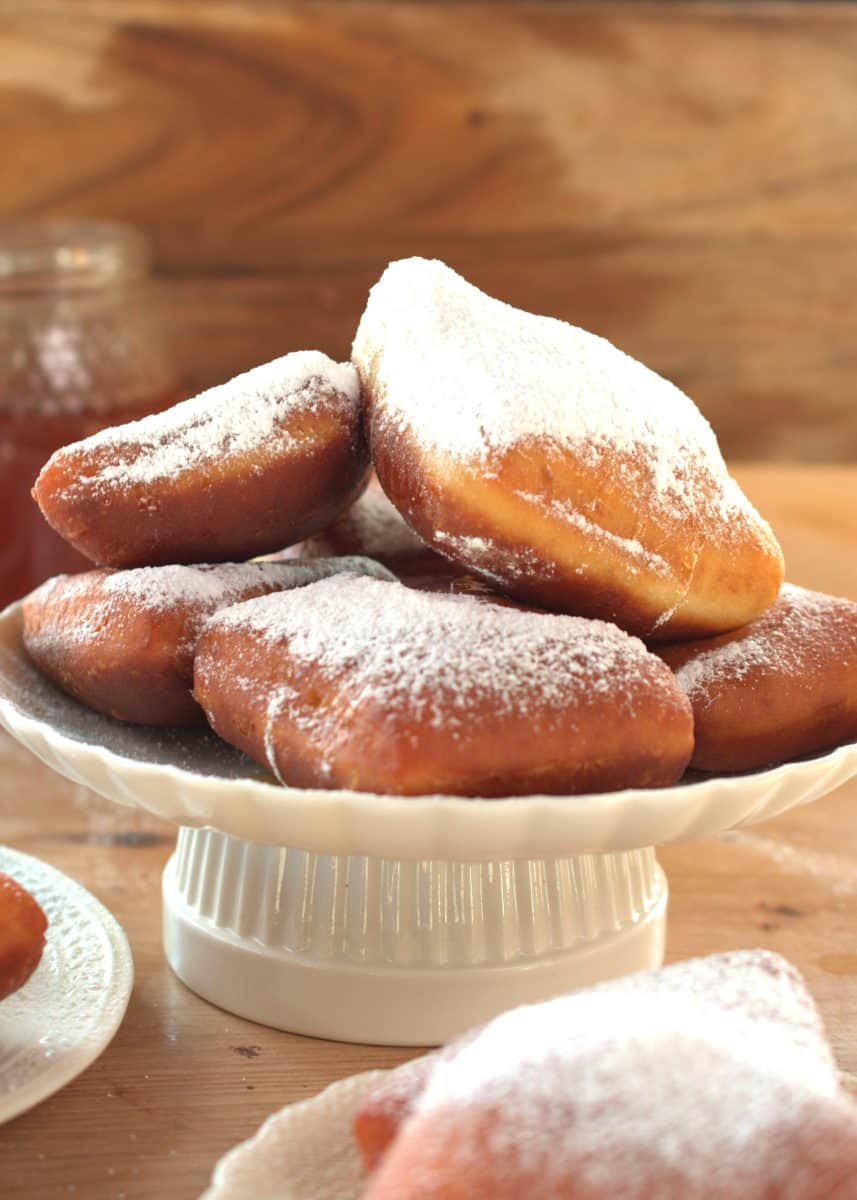
It was yesterday when I was rewatching some of my favorite Disney classics, and as soon as I started watching this movie, I HAD to prepare beignets for my family and friends to give them the full experience.
This recipe has been updated and improved to have better and softer beignets.
New Orleans-style beignets
Beignets are a type of very soft and tender donut covered in powdered sugar. It is sweet, delicious, and very addictive.
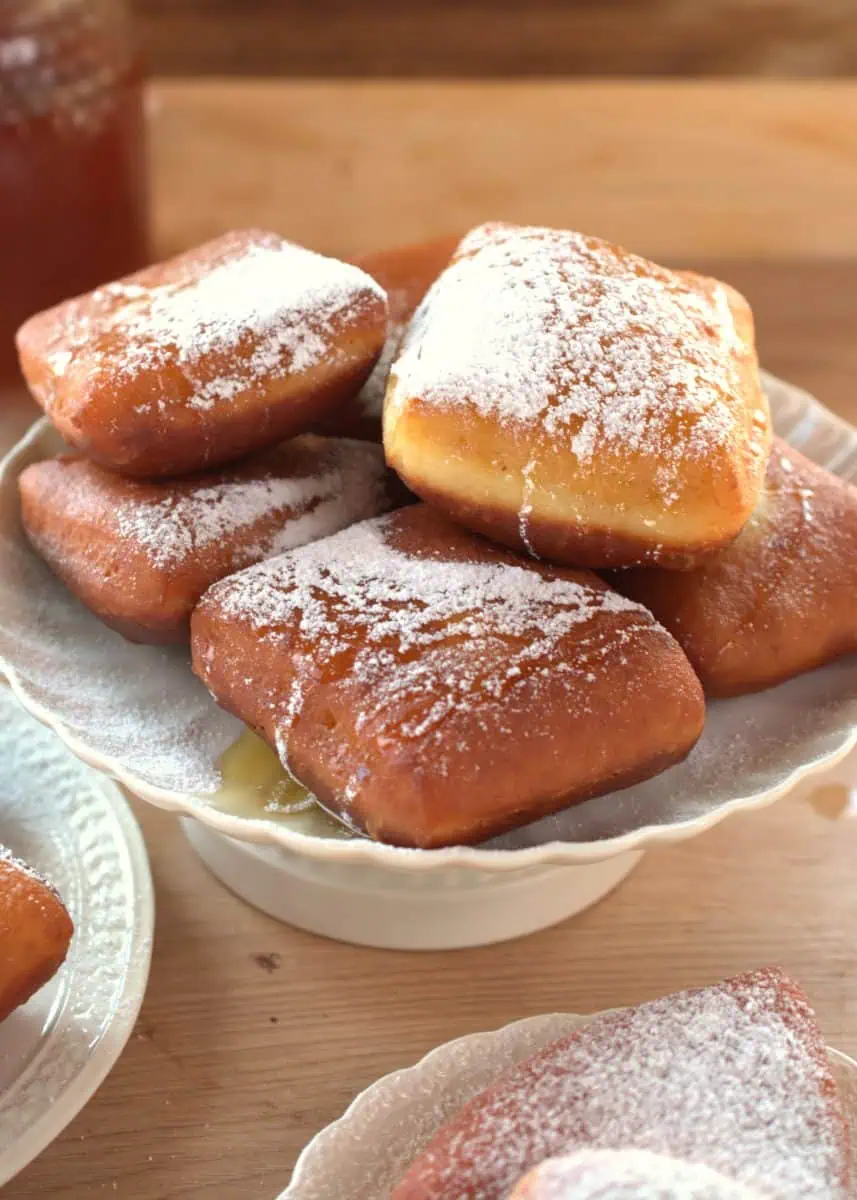
We have made plenty of donut recipes, from glazed donuts, maple syrup donuts, to even Nutella-stuffed donuts, and this one is one of my favorites of all time. To prepare donuts, it’s very important to use a food thermometer.
Control the temperature of the oil to have an ideal temperature of 345 F (175 °C) to 374F (190 C).
Check if the beignets are fully baked by inserting the thermometer in the middle of them. The internal temperature should reach 190F (88C)
The trick to keeping the same temperature is to only fry two donuts at a time. The more beignets you add, the more the oil temperature will drop. After each frying, I recommend you wait 2 minutes to bring the oil temperature up again.
Ingredients you will need
The list of ingredients is very similar to our vanilla cream donuts, strawberry cheesecake donuts, and our pistachio stuffed donuts; we just modify it slightly to give us the best beignets we can make.
All of the ingredients we will use can be easily found at the grocery store.
- Milk: This is the liquid we are using for our dough. Use whole milk instead of skimmed for better results. The milk should be at 110F-115F (43C-46C). If the temperature is above 120F (49 °C), the yeast will be killed. Under 100F (38 °C), the yeast is sleepy.
- Active dry yeast: it needs to be activated with warm milk and sugar before using.
- Egg (and yolk!): we are using one whole egg and 1 egg yolk. That makes the beignet richer and more delicious.
- Vanilla extract, essential to prepare beignets.
- Sugars: granulated sugar is used to sweeten the dough, and powdered sugar to cover the beignets with mountains of it.
- Salt: balances the flavors.
- Unsalted butter: unsalted to have better control over the amount of salt that goes into the beignet.
- Honey: to finish the beignets, they will be drizzled with sweet honey.
- Neutral oil: choose your favorite oil for frying. We chose sunflower oil as it is our favorite to use for frying. You can use soya, canola, or any of your preference.
How to activate yeast?
There are three (four if we mention sourdough) main yeasts. Active dry yeast, instant, and baker’s fresh yeast.
For this recipe and most, we use active dry yeast, which is the most common yeast that you can find at any store and is very easy to work with. We use it in many of our recipes, like our Nutella brioche, cinnamon rolls, or cheese garlic rolls.
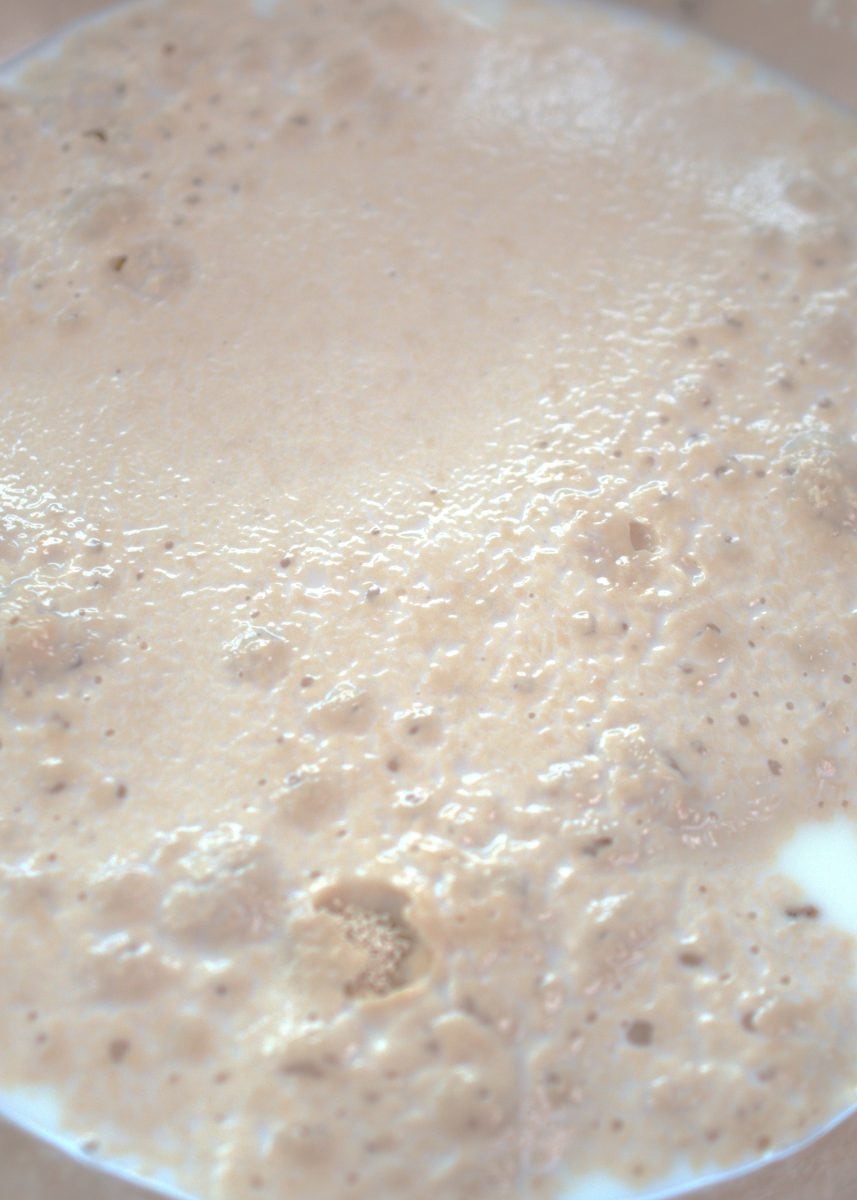
To activate yeast, all you need is warm milk, yeast, and sugar to feed the yeast. Let it rest for 10-15 minutes, and you will see the top of the milk mixture covered in a foam layer. If this foam appears, you know your yeast is fresh and active. If you didn’t see anything happening to the yeast, it just means it’s either old or the milk was too hot or too cold.
To store your yeast, I recommend the fridge. It makes it last longer and keeps it fresh. I don’t recommend storing it at room temperature as it shortens its life and efficiency. We talked about yeast and storing it in our Nutella knots recipe.
Don’t be afraid of frying!
I know it can be scary sometimes to fry food, but you should never fear it. Frying can be very safe if you are paying attention to the oil.
Something very important to know is that water doesn’t mix with oil. In case of the oil pan having a fire, don’t try to stop it with water. Turn off the stove and cover the pan with a lid. The fire would stop by itself.
Always pay attention to the oil.
Don’t multitask when frying beignets.
Don’t have your phone or anything close to the oil that could fall in the pan.
If feeling unsafe when frying beignets, ask for help.
Best tips to prepare New Orleans-style beignets
- Keep the oil temperature between 345 F (175 °C) and 374°F (190 C).
- If the oil is too hot, the beignets will burn and have a raw center. If the oil is too cold, they will absorb oil.
- Don’t skip proofing times. This beignet dough needs to be proofed for slightly longer than any of our other donuts, like our red velvet Nutella heart donuts or our Biscoff donuts.
- When we knead the dough, we use a stand mixer with the lowest speed and with the dough attachment. We don’t include the butter at the beginning of the kneading; we will do it after the first 15 minutes of kneading. This will help with the structure and fluffiness of the beignet.
- Fry the beignets in small batches. If you overcrowd the pan, the oil temperature will drop, resulting in very oily beignets.
Proof your dough
Okay, so the most important thing when we proof our dough is the environment. We need a warm environment, somewhere where there’s no wind. If you want 0 worries when proofing your dough, you can invest in a dough proofer.
This dough has two different proofings. The first one is 2 h and 30 minutes long, yes, 1 hour longer than usual at 79F (26 °C). This temperature will create a super puffy and airy dough.
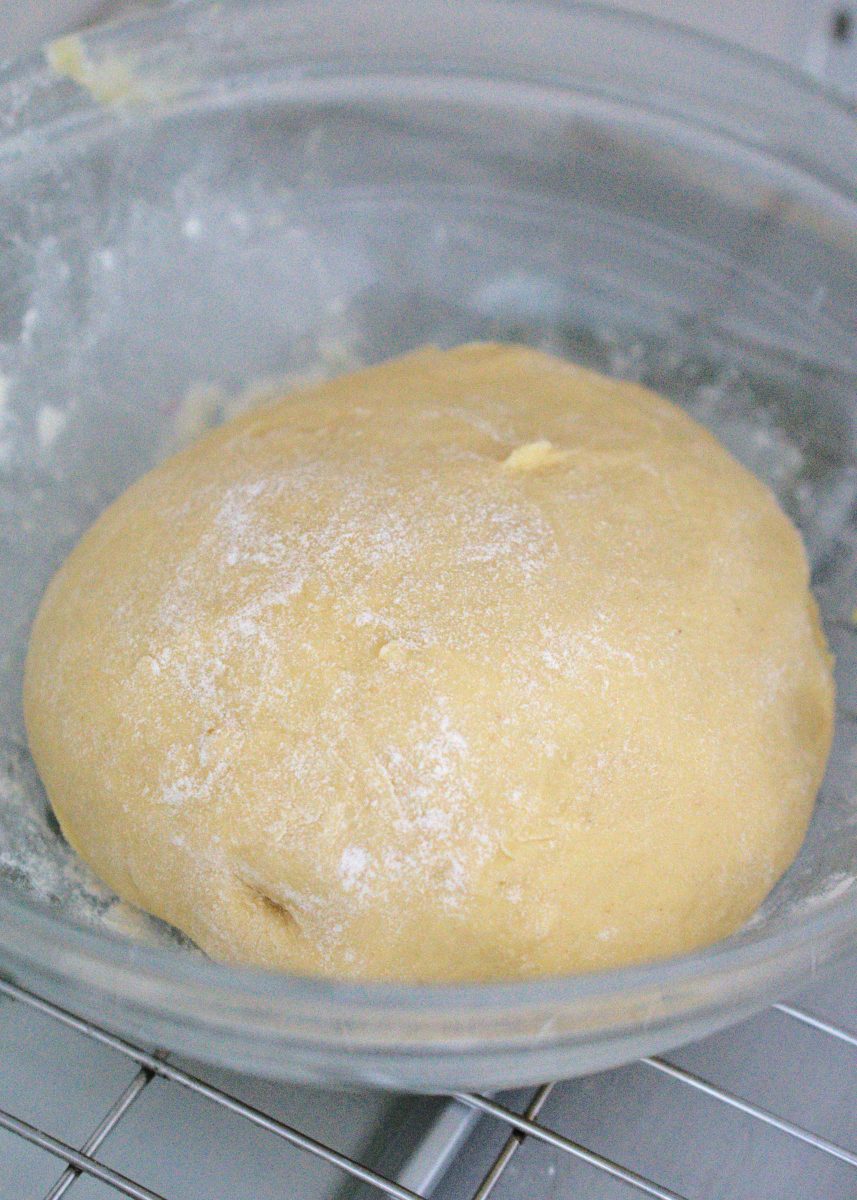
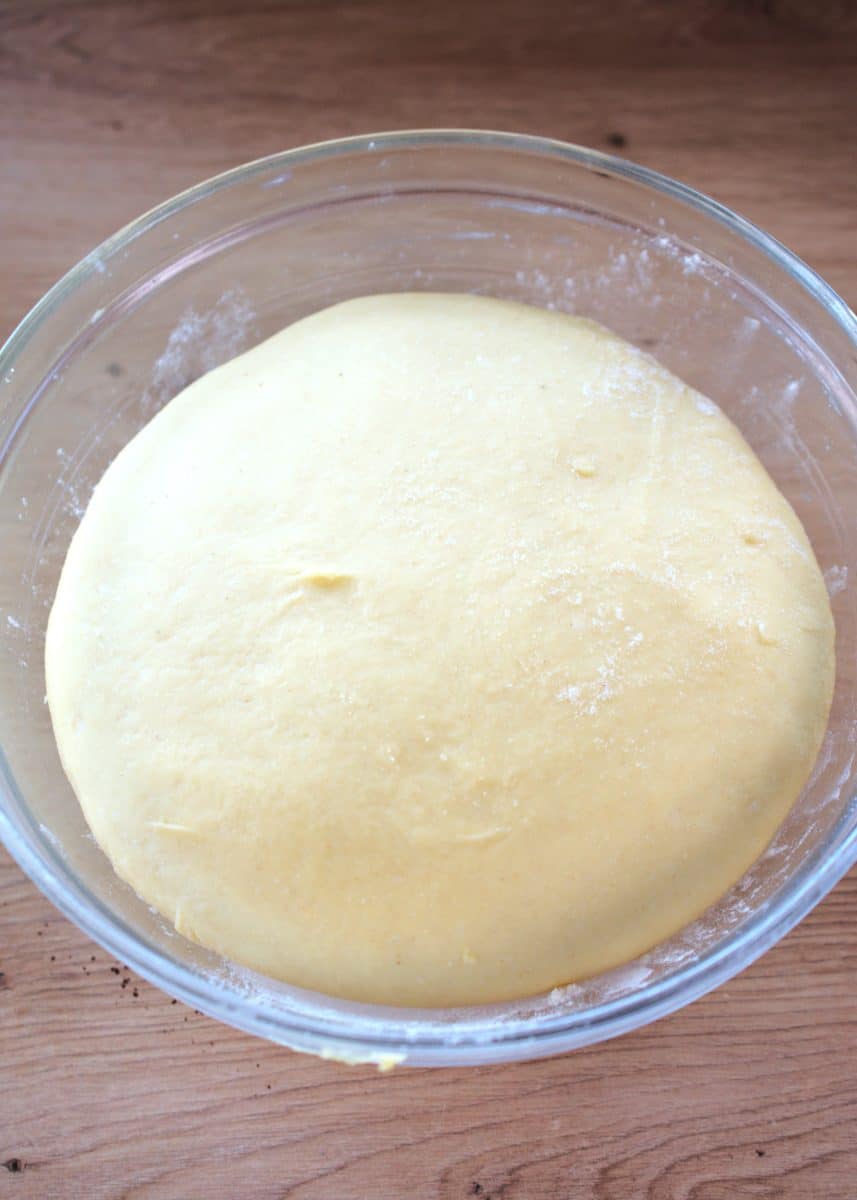
The second proofing is done at the same temperature as the first one, and it’s done after shaping. The good thing about this dough is that you don’t need to think about what to do with leftover dough, as there’s none!
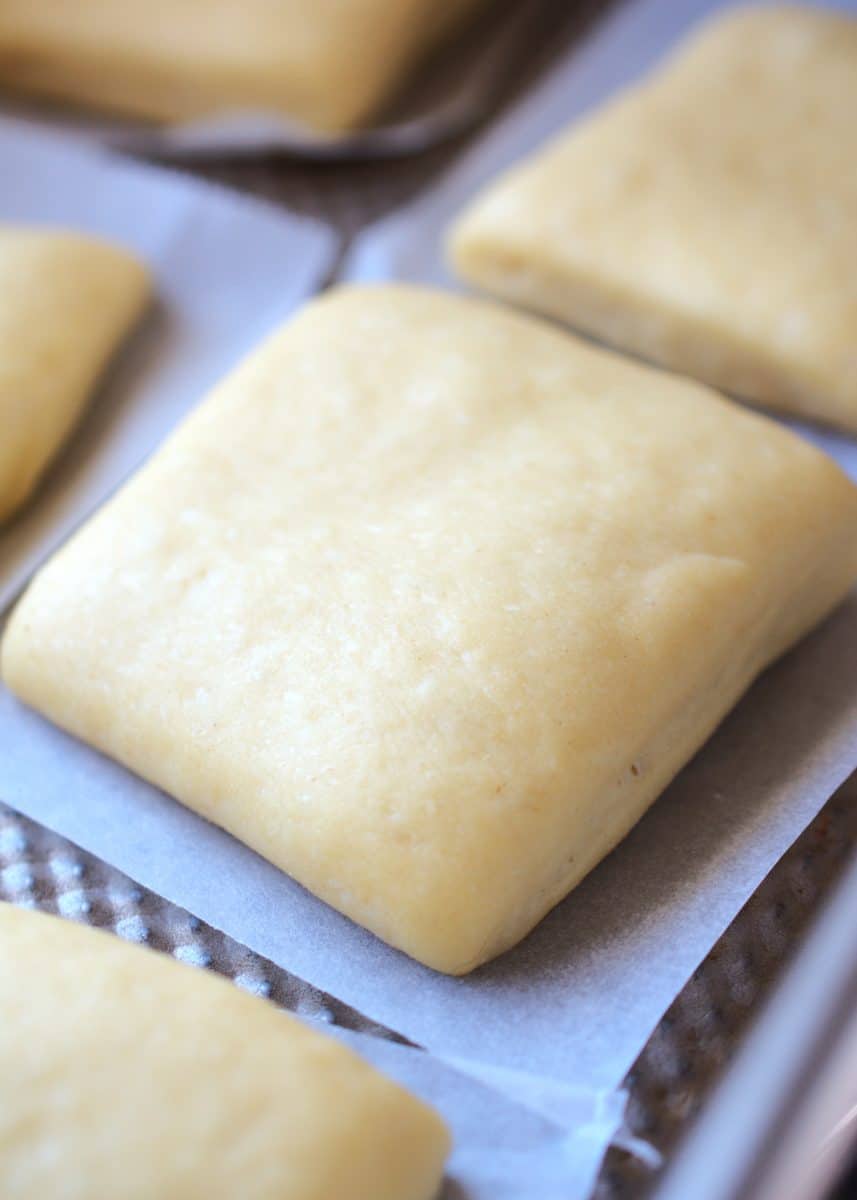
In many other recipes, we always need to think about the dough scraps, and we end up preparing donut holes like our pistachio donut holes or Biscoff holes, which are amazing, but we don’t always feel like making them.
How to shape square donuts
One of the biggest characteristics that differentiates a traditional American donut from beignets, a French type of donut, is the shape. While American donuts are round and have a hole in the center, traditional beignets are square!
Prepare a large parchment paper sheet and roll out the dough on top of it, try to keep the shape into a big square/ rectangular shape. Then just cut them.
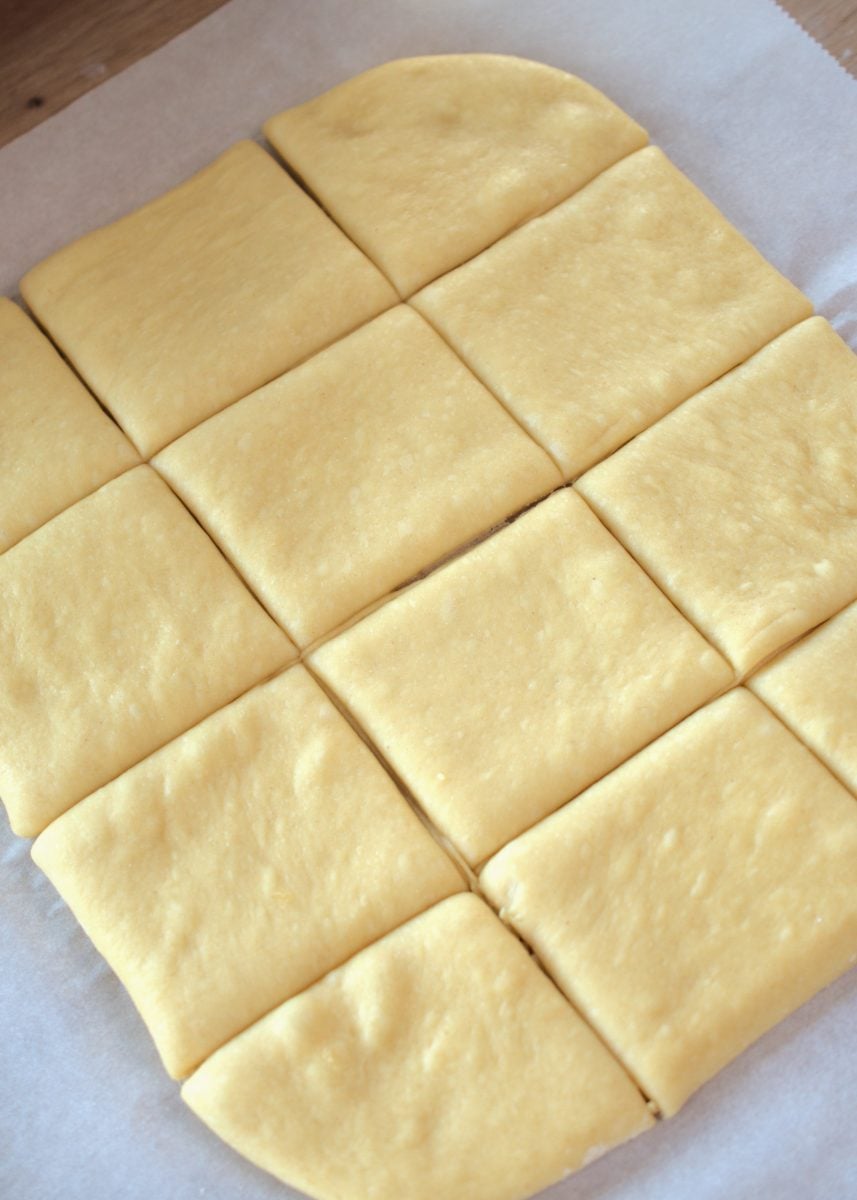
Measurements we did, because I have a weird obsession with making everything equal-sized. I measured each one of the squares (minus the side ones that are rounder).
You don’t have to follow the same measurements I did!
Horizontally, we will roll out the dough, and it will measure about 8.77 inches (22.3 cm). It will be cut into 3 lines, 2.9 inches (7.4 cm), then vertically it will measure 10.23 inches (26 cm), and we will cut it into 4 lines. Measures: 2.56 inches (6.5 cm).
Tools you will need
This is a list of all of the tools you will need to prepare beignets at home, starting with a stand mixer, which is a very important tool as the dough is on the stickier side. If you don’t have one, you can knead by hand.
- Stand mixer fitted with a dough hook attachment.
- Rolling pin, to roll out the dough.
- Long knife, to cut the dough into squares.
- Thermometer, to check the oil temperature and internal beignet temperature.
- Large pan, to fry the beignets, it must be large enough to fry them; you need to fit about 6.5 cups (very approximate measurement), 1.5 liters of frying oil, and there needs to be a large gap between the oil and the edge of the pan. This is to avoid the oil from overflowing.
- Slotted spoon, to remove the beignets from the oil.
- Parchment paper, to place the beignets in the oil safely. We use this method in our pink Homer Simpson-inspired donuts and Oreo donuts.
- Cooling rack with a tray under, to drain all of the oil from the beignets.
*A dough proofer is optional, but it is amazing to have if you love preparing doughs. We use it in recipes like our Nutella chocolate rolls, Nutella brioche loaf, and our Ferrero Rocher-inspired bun.
How to serve beignets
Beignets are served with a drizzle of honey and a LOT of powdered sugar. Powdered sugar, confectioners’ sugar, or icing sugar is very fine, like powdery sugar.
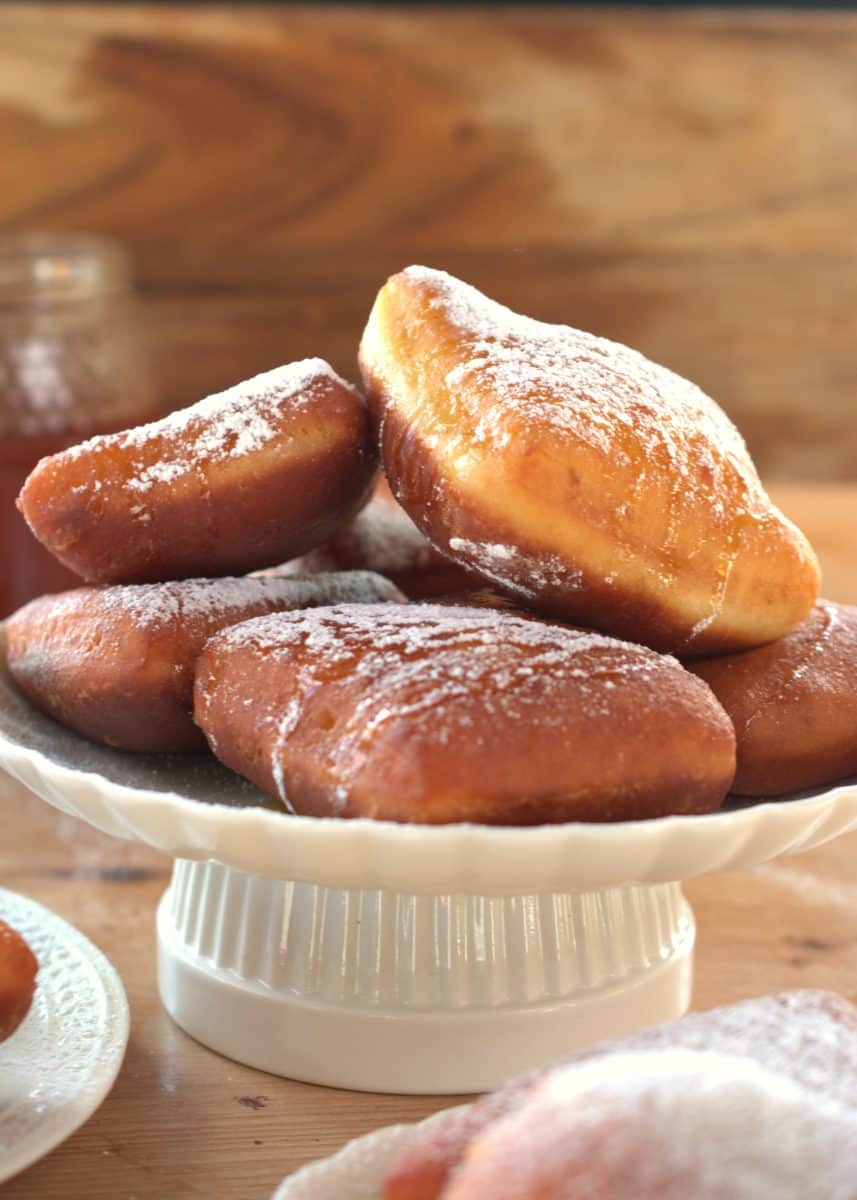
People love to enjoy them with coffee with a dollop of whipped cream, but I personally love them with a nice hot chocolate.
They are best served fresh and warm.
Best way to store New Orleans-style beignets
Don’t store them in the counter or the fridge. Store them in the freezer. After you fry them and enjoy as many as you want, freeze the rest the same day. Before enjoying one, just microwave it until it’s defrosted, and it will taste LIKE FRESH.
They stay fresh in the freezer for up to 3 months. Don’t forget to add the name and date of when you made them in the freezer bag or container.
Q: What’s your favorite donut flavor? Mine are beignets and maple-glazed donuts!
Print
Pillow soft New Orleans Beignets (princess and the frog)
This delicious recipe for New Orleans beignets gives you pillowy soft square beignets, finished with a drizzle of honey and a dusting of powdered sugar.
- Total Time0 hours
- Yield12 Beignets
- DietVegetarian
Ingredients
DOUGH RECIPE
- ½ cup + 2 tbsp (130 ml) whole warm milk
- 2 tsp (6 g) active dry yeast
- 1 tsp granulated sugar
- 1 egg
- 1 egg yolk
- 1 tsp vanilla extract
- 2 ½ cups (300 g) all-purpose flour
- 1/4 cup (47 g) granulated sugar
- ¾ tsp (5 g) sea salt
- Slightly under ¼ cup, 3.5 tbsp (50 g) unsalted butter
FOR FRYING
- 6 ½ cups (1.5 l) sunflower oil, or any other neutral oil
FINISHING TOUCHES
- 4 tbsp honey
- ½ cup (60 g) powdered sugar
Instructions
- To prepare beignets, we need to start by preparing the dough.
- In a stand mixer bowl, combine ½ cup + 2 tbsp (130 ml) whole warm milk, 2 tsp (6 g) active dry yeast, and 1 tsp granulated sugar. Let it sit untouched for 10-15 minutes. After that time, you will notice that the top of the mixture has a layer of foam, which means the yeast is active!
- To this mixture, add 1 egg, 1 egg yolk, 1 tsp vanilla extract, 2 ½ cups (300 g) all-purpose flour, 1/4 cup (47 g) granulated sugar, and ¾ tsp (5 g) sea salt. The rest of the dough ingredients minus the butter.
- Fit the stand mixer with a dough hook attachment and knead the dough mixture for 15 minutes at a low speed. The dough is very sticky at this point. Add slightly under ¼ cup or 3 ½ tbsp (50 g) unsalted room temperature butter, cut or broken into pieces, and knead for 10 more minutes. The dough should be slightly less sticky.
- Place the dough in a clean, slightly oiled bowl and cover it with plastic wrap. Let it proof for 2 hours and 30 minutes in a warm environment of 79 F (26C). After that time, it should double in size.
- Grab a large parchment paper sheet and lightly flour it to avoid sticking. Roll out the dough into a square or rectangular shape, depending on how you want your beignets to look. I wanted more of a rectangular-ish shape instead of fully square. Slice into 12 squares. Carefully separate each one and cut the parchment paper into squares slightly bigger than the dough, so they have room to grow.
- Place the beignets in a tray and cover them with plastic wrap. Proof again for approximately 1 hour, they should become puffy. At the 45-minute mark, you can start preheating your oil.
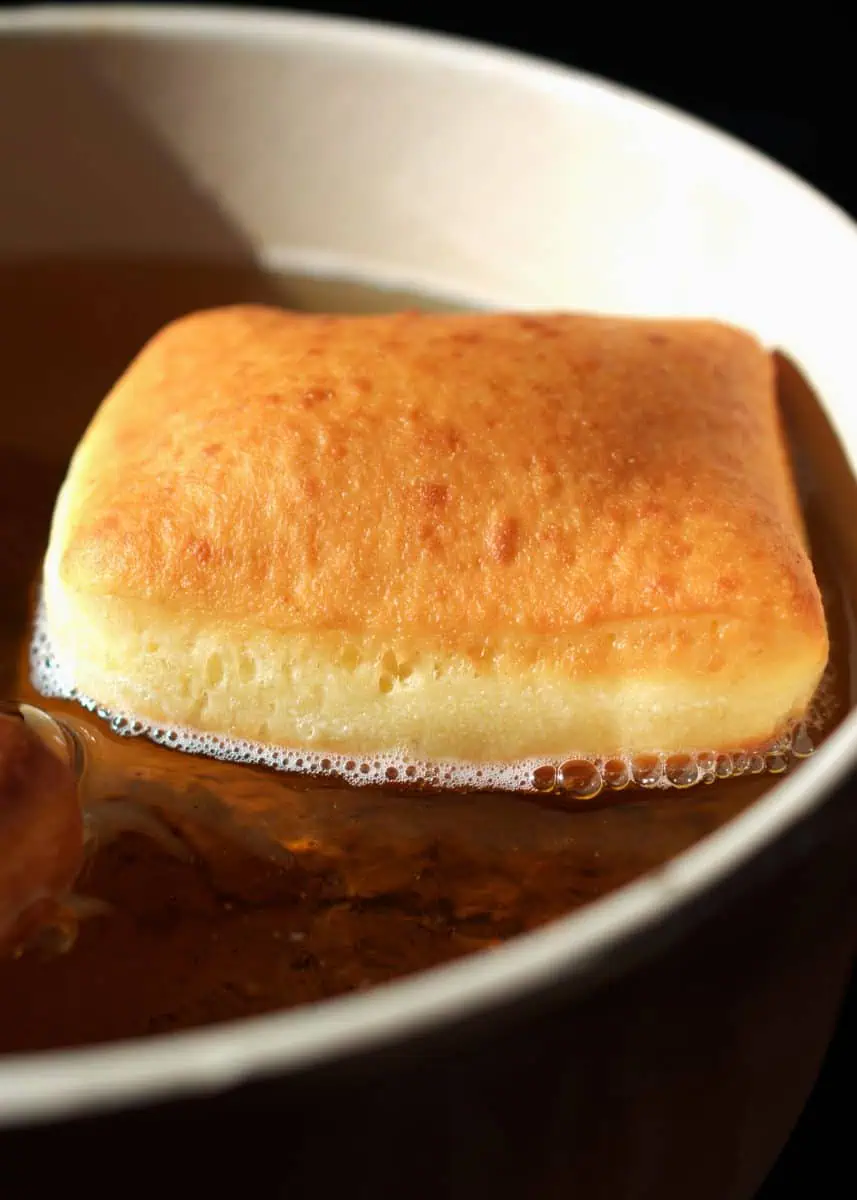
- In a large pan, pour 6 ½ cups (1.5 L) sunflower oil and heat it slowly so it reaches about 374F (190 °C). Start frying the beignets. Depending on how big your pan is, I recommend you fry 2 each time, this way you will have better control of the oil temperature. The temperature should be between 347F (175 °C) and 374°F (190 °C), nothing higher or lower than that.
- It takes about 2 minutes on each side; they should be golden brown on the outside and reach an internal temperature of 190F (88C). Remove them with a slotted spoon and place them all on top of a prepared cooling rack with a tray under. This will drain all of the excess oil.
- Fry all of the beignets.
- To serve, drizzle 4 tbsp of honey and, with a sieve, dust ½ cup (60 g) powdered sugar.
- They’re best enjoyed warm.
Notes
The reason why we want parchment paper squares is so we can gently place the beignets in the oil without burning ourselves.
Higher oil temperature will burn the beignets and keep them raw in the center, and lower oil temperature will make the beignets absorb a lot of oil, resulting in very oily donuts.
If the oil temperature gets higher than the maximum, you can turn off the heat so it’s a little lower.
Please read the section on storing beignets to know how to enjoy them best.
The nutrition values are very aproximate as it can change a lot in this recipe.
- Prep Time: 45 minutes
- Proofing times: 3 h 30 minutes
- Cook Time: 4 minutes
- Category: Brunch, Dessert
- Method: Frying
- Cuisine: American, French
Nutrition
- Serving Size: 1/12
- Calories: 330 kcal
- Sugar: 11.5 g
- Sodium: 152 mg
- Fat: 21.4 g
- Saturated Fat: 4.3
- Unsaturated Fat: 17 g
- Trans Fat: 0.1 g
- Carbohydrates: 30 g
- Fiber: 0.8 g
- Protein: 3.6 g
- Cholesterol: 35 mg
ARCHER'S FOOD
Easy and delicious recipes



Hello!! I usually only watch your videos on Instagram. I find them very soothing and sometimes I struggle to have an appetite and your videos help a lot. This video is the first time I’ve jumped to go to your blog for the recipe and I just wanted to say your little post before the recipe starts was so nice to read, and I liked your explanations under all the photos of the steps. The way you write is absolutely lovely.
“I never check the temperature when frying for a simple reason, i don’t have batteries in my thermometer and I don’t know which ones i have to buy, but i can describe it to you” this is the cutest shit I’ve ever read 😭
And thank you for explaining the yeast thing. I am not very good at working with yeast so that was helpful. I don’t have all the ingredients on hand, but I really wanna try making these soon.
Thanks very much!!
These were amazing!! My younger brothers and parents loved them and asked me to make more. I just added about a 1/2 tsp of the 25g of sugar to the yeast/water to help activate the yeast more. I ended up adding more flour because it was so sticky🤧 – it was perfect after words! I had my oil at around 364-375 F (for anyone wanting a temp range) and just waited till they were golden brown and puffy. Loved your recipe, I’ll definitely be checking out more recipes from you.
So soft and tasty!
Can I use bread flour instead of AP flour