How to brown butter
Today I’ll teach you how to brown butter. Brown butter is used in many recipes; it’s a butter that has been cooked until it has a golden brown or deep amber color. It has a nutty aroma and gives a very nice flavor to so many sweet treats.
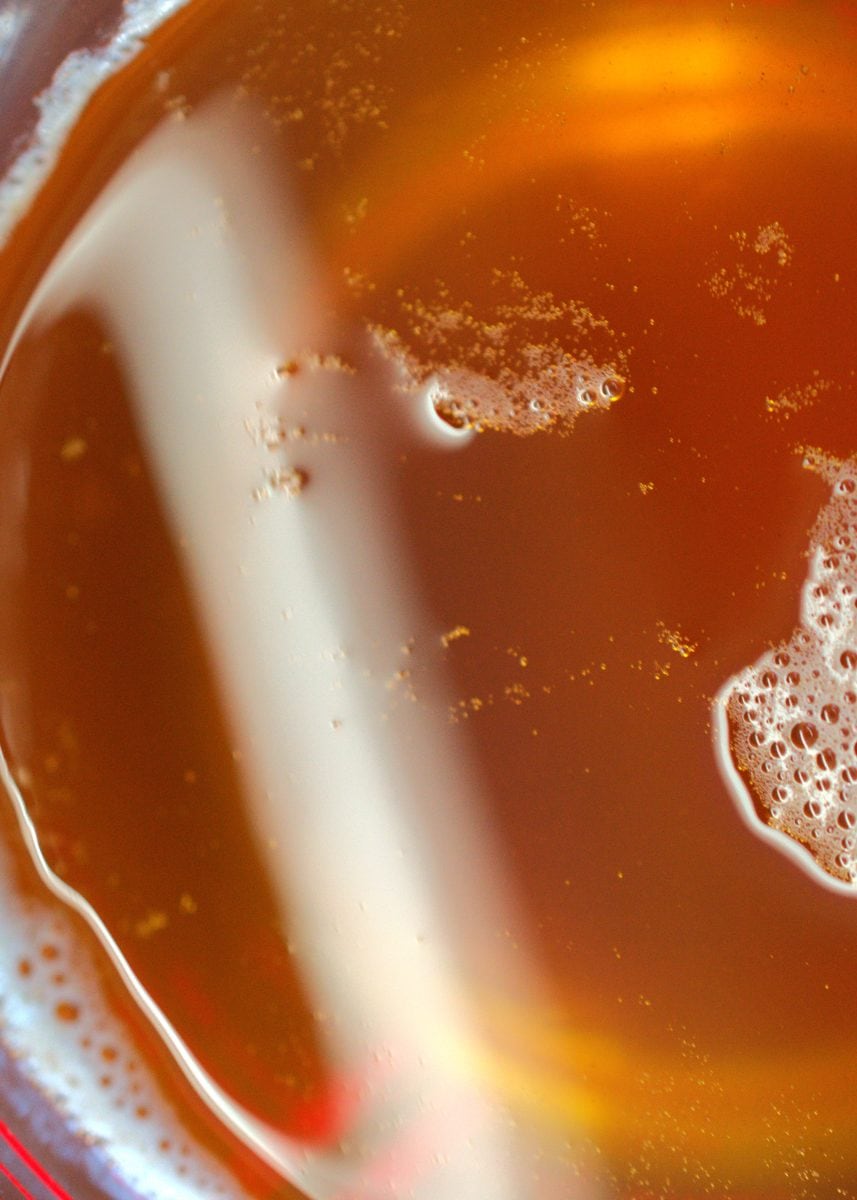
Browning butter only takes one ingredient (butter), a light colored pan, and a spatula to stir.
What’s brown butter?
Brown butter is a butter that has been gently cooked until a nice color. It adds a deep caramelized flavor to so many desserts like our brown butter chocolate chip cookies, double chocolate cookies, brownies, or cookie fries. It normally takes less than 15 minutes, depending on the amount of butter you are browning, but it is a totally worth it step to take whenever a recipe calls for it.

If you have never heard about brown butter, a whole new world will open up in front of your eyes, and if you always thought it was a difficult step in recipes, today you’ll realize that it’s easier than you think.
Brown butter will take your recipes to another level.
Brown butter loses moisture
That is something to keep in mind; sometimes you want to recreate a recipe but don’t want to brown the butter, and in the recipe, they are calling for a specific amount of butter.
If you skip the process, you will probably end up with way more butter than needed.

On this photography day, we decided to brown butter for 3 cookie recipes we were updating to our recipe, our Nutella cookies (pictured above), M&M Nutella cookies, and Ferrero Rocher cookies. All three recipes use brown butter.
We started the recipe with about 3 cups + 1 tbsp (690 g), and that reduced down to 2 1/3 cups + 1 tbsp (530 g) brown butter, which means we lost about 23% of the weight that was water. Depending on the butter you use and the % in fat it has, you will lose more weight or a little less.
How to brown butter
Browning butter is one of the easiest skills you can learn to become a better baker. All you need is:
Butter: I recommend you use room temperature and unsalted butter. Salted butter will reduce, and it will be more salty than expected, and most recipes call for salt, in the recipe which will give them the right amount of salt needed. Using cold butter means that it will splash a lot and also will take a little longer. The butter is cut into squares so it can be easily cooked and takes less time in general to do so.
A light colored pan: the pan needs to be a light color so you can see the color differences in it and prevent burning the butter. If the pan is black, you will not see if the color changes; if it’s ready, you won’t notice, and it will end up getting burnt.
Spatula: to stir the butter. This prevents the milk solids from burning, but if they burn, all you need is a sieve. A sieve is very useful for browning butter. The brown milk solids go through, but the burnt pieces don’t.
Browning butter steps
We start with the cubed butter in the pan. It is slowly melting and still very far from the point where we need the butter to be.

The whole process must be done at a medium-low heat. Don’t try to rush it.
Now the butter is melted, but it is not bubbling yet. Make sure to stir with a spatula.

You notice the butter is bubbling, and it quickly changes from bubbly to brown butter, so in this step, it is very important that you pay really close attention.

You will notice a nutty aroma. The butter has foam on top, so it’s difficult to see the color under, but if you set it aside a little with a spatula, the color should be a deep amber color.
Remove it from the same pan as it will continue to cook, and you can have burnt butter instead. I like to use a sieve and pour the butter into another heat-proof container. The sieve will remove any burnt imperfections, and the milk solids will go through as they are very thin.

What does burnt butter do
Going from perfectly brown butter to burnt butter can happen in seconds. While brown butter gives the food a very nice nutty and caramelized flavor, burnt butter gives more of a bitter and yucky taste.
Stirring constantly is very important to avoid burning in your butter.
You can easily over-brown butter or under-brown butter if you are using the wrong equipment and not paying attention to the changes of the butter during the browning.
Under-brown butter will not add any special flavor to the recipe; it would be just like if you added melted butter, and it would be a little bit of a waste of time.

What uses can you give to brown butter?
- Raffaello cookies
- M&Ms cookies
- Brookies
- Not only for sweets, but you can also use brown butter in your savory dishes, like our brown butter mashed potatoes.
- Brown butter chocolate chip cookies
- Double chocolate cookies
- Brownies
- Cookie fries
How to store brown butter
Brown butter is like any other butter. You can store it in the fridge for up to a week or in the freezer for 3 months. It’s always a good idea to have brown butter ready to use whenever you need it. Make sure to thaw in the fridge overnight. You will then need to take the butter to room temperature to become soft.
Print
How to brown butter
- Cook Time: 15 minutes
- Total Time: 15 minutes
- Yield: 530 g
- Category: basic
- Method: browning
- Diet: Vegetarian
Description
Learn how to make delicious brown butter, an essential step for so many daily recipes that can seem intimidating, but it’s easier than you think.
Ingredients
- 3 cups + 1 tbsp (690 g) unsalted soft butter
Instructions
- Start by cubbing the room temperature 3 cups + 1 tbsp (690 g). Place it in a light colored pan and melt it over medium-low heat. Make sure to stir constantly.
- After the butter has melted, it will start to bubble. It’s very important you pay attention to the pan at all times.
- After the bubbles, the top of the butter has a layer of foam, a nutty aroma, and a golden brown look. Turn off the stove and transfer the butter to another container. If it has any burnt bits, strain them with a sieve, but if you only have brown specs, you can leave them as they hold a lot of flavor.
- I recommend using a sift when you use a pan so that everything sticks to it, and the bottom will have some burnt pieces.
- Let the butter cool to room temperature before you use it.