
French Onion Mac and Cheese
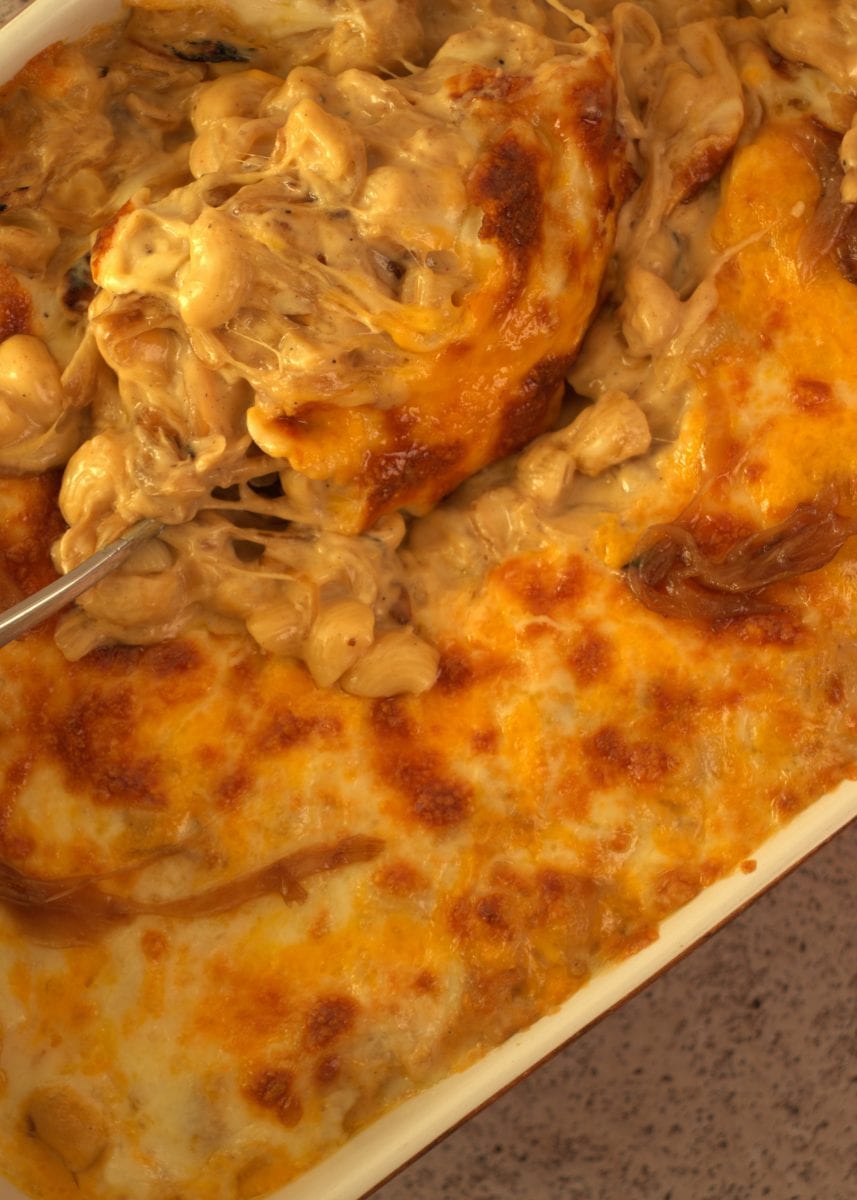
Slow-cooked French onion mac and cheese is one of those cozy recipes that may seem familiar, but it has an unexpectedly delightful twist. It takes the sweet, rich flavors of classic French onion soup and mixes them with a creamy cheese sauce, creating a comforting dish that feels like it came straight from a fancy restaurant—yet it’s super easy to make! Perfect for a cozy night in!
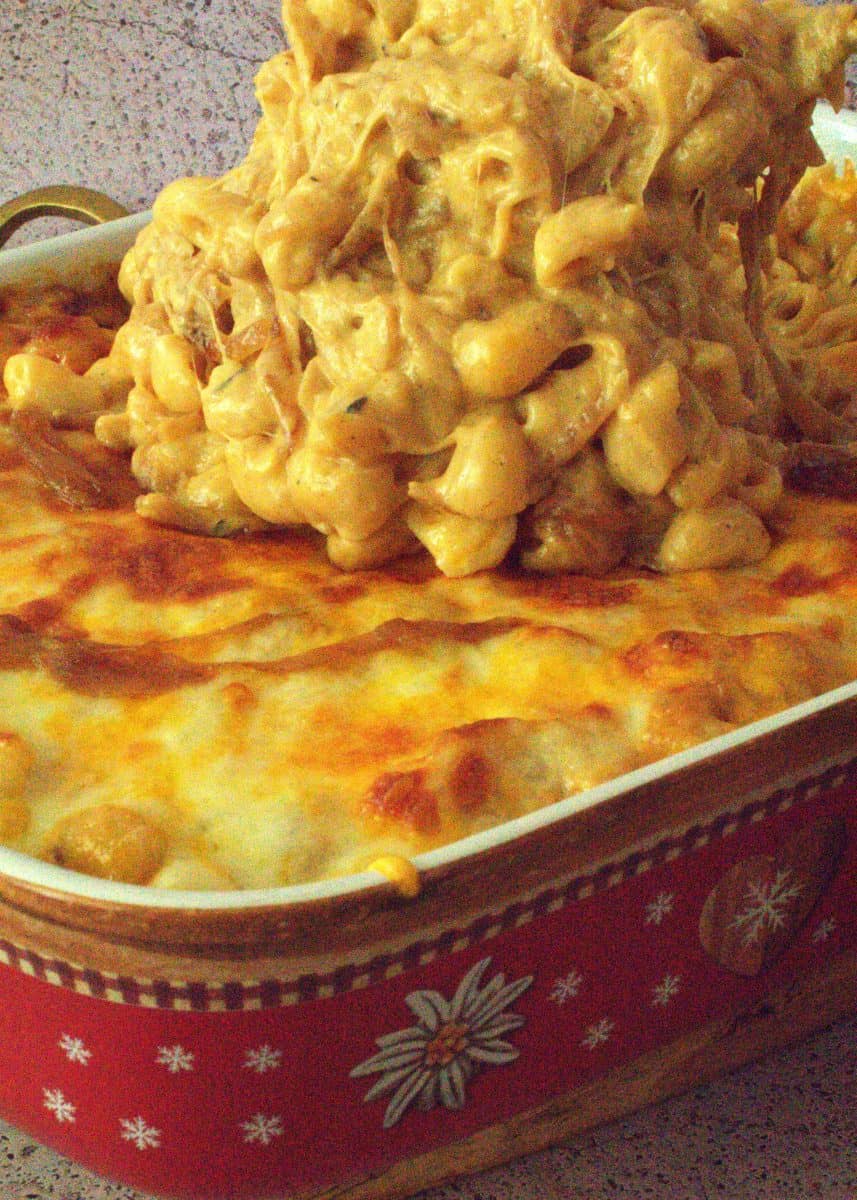
The caramelized onions melt into the sauce, creating a sweet, savory flavor that makes every bite rich and memorable. This is not a plain pasta dish. This is a rich, indulgent, layered comfort food.
This dish is an excellent choice for gatherings because it feels special while remaining approachable. You can serve it for Thanksgiving dinner, Christmas dinner, a weekend family meal, or a game night.
It is also a good recipe for anyone who wants to explore more complex flavors in an easy format. The combination of onion sweetness, butter, and sharp cheese will always draw attention. You can try our traditional mac and cheese recipe if you’re looking for something different.
Why caramelized onions belong in mac and cheese
Caramelized onions are essential in this recipe because they provide depth, sweetness, and umami that balance the richness of the cheese sauce. Without them, mac and cheese can sometimes feel too heavy or plain. With them, the dish becomes more dimensional and gourmet.
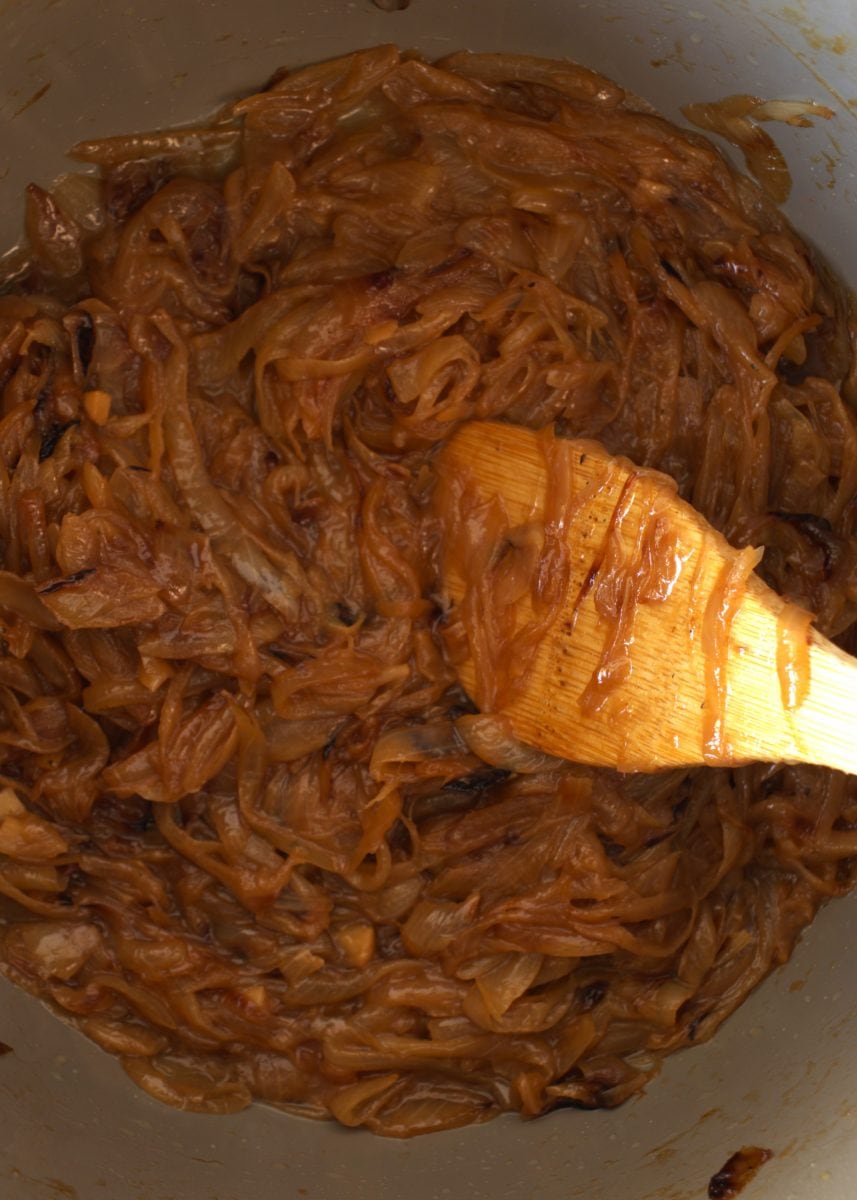
Slow-cooked onions become soft and jam-like. They lose their strong raw flavor and instead taste sweet and slightly smoky. When you fold those onions into a creamy sauce, they flavor the entire dish instead of just sitting on top. The result is a sauce that tastes layered and luxurious rather than one-dimensional.

This recipe uses a generous amount of onions because the more you add, the more pronounced and satisfying the final taste becomes. You want each spoonful to have the sweetness of onion and the richness of cheese in perfect harmony.
How to caramelize onions correctly
Caramelizing onions is a culinary skill that requires patience to achieve the rich flavor and deep color that make a dish truly shine. Many rush the process, but true caramelization can’t be hurried.
Start with high-quality yellow onions, slicing them thinly for even cooking. In a heavy-bottomed pot or skillet, melt 2 to 3 tablespoons of butter over medium heat and add a pinch of salt to help draw out moisture. Once the onions are added, stir to coat them in butter, then reduce the heat to low or medium-low.
Allow the onions to cook slowly, stirring occasionally, for about thirty to forty minutes. They will transition from translucent to a deep golden brown, becoming soft, sweet, and glossy. If the butter begins to dry up, you can add more butter or a little water; if they darken too quickly, lower the heat. The secret to perfect caramelized onions is slow cooking, letting the natural sugars develop fully.
Ingredients and why we use them
Here are the ingredients used in this French onion mac and cheese recipe, along with the reasons each ingredient is important. Understanding the role of every ingredient helps you make adjustments without compromising the final result.
- Onions: They are the foundation of the recipe. Onions need to be cooked low and slow to become soft, sweet, and dark golden. Rushing this step gives you steamed pale onions instead of sweet caramelized ones.
- Butter: Butter coats the onions and creates a rich base. It also helps develop the roux for the sauce. Butter flavor is important here, so do not replace it with oil.
- Pasta: Pasta should be short, shaped, and sturdy so it holds sauce well. Macaroni shells or cavatappi are ideal because their curves trap sauce. Cook pasta slightly under so it does not become mushy when mixed with the sauce.
- Garlic: It adds aroma and depth. It is cooked in butter briefly before flour is added so that its flavor opens without burning.
- All-purpose flour: Flour thickens the cheese sauce, and it is used to prepare a roux. It prevents the final dish from being runny or loose.
- Evaporated milk: It adds creaminess without making the sauce greasy. It contributes to a silkier texture than regular milk.
- Heavy cream: It gives body richness and smoothness. It also helps the cheese melt evenly.
- Dijon mustard: Provides sharpness that cuts through fat. It is not noticeably mustard-flavored. It simply balances the sauce.
- Cheese: Cheddar adds sharpness and color. Mozzarella melts smoothly and gives stretch. Smoked Gouda contributes depth and a savory roasted flavor. The mix matters because one cheese alone cannot do everything.
- Seasonings: Salt, black pepper, white pepper, smoked paprika, onion powder, and garlic powder enhance both the sauce and the sweetness of the onions.
 Buy Now →
  Buy Now →
  Buy Now →
  Buy Now →
  Buy Now →
  Buy Now →
  Buy Now →
  Buy Now →
  Buy Now →
  Buy Now →
  Buy Now →
 Best cheese choices
This recipe features a combination of cheddar, mozzarella, and smoked Gouda, as each type of cheese contributes a unique flavor and texture.
- Cheddar adds a sharpness.
- Mozzarella provides stretch and creaminess.
- Smoked Gouda offers a roasted, savory depth that pairs perfectly with caramelized onions.
If you prefer a stronger flavor, you can add a small amount of gruyere, which complements the onions wonderfully.
Avoid using pre-shredded cheese, as it contains anti-clumping additives that can prevent smooth melting.
Tips for the best French onion mac and cheese
- Cook the onions slowly: The longer you cook them, the sweeter and richer their flavor will become, transforming them into a beautiful golden brown while enhancing their natural sugars.
- Shred your cheeses: For a luxuriously smooth and velvety cheese sauce, take the time to freshly shred your cheeses using a box grater or food processor. Pre-packaged shredded cheese often contains anti-caking agents that can prevent the cheese from melting uniformly, which can ruin the texture of your sauce. Consider a combination of cheeses for depth, such as sharp cheddar for a robust flavor and a creamy mozzarella for meltability.
- Avoid boiling the cheese sauce: As you prepare your cheese sauce, be vigilant about maintaining a gentle simmer rather than allowing it to boil. High heat can lead to a grainy texture, ruining the silky consistency you’re aiming for. Stir the mixture frequently and keep the heat low to ensure a smooth blend of flavors.
- Undercook the pasta slightly: When boiling your pasta, aim for a point just shy of al dente—about a minute less than the package instructions suggest. Since the pasta will continue to cook when integrated with the hot cheese sauce, this slight undercooking will prevent it from becoming overly soft and mushy.
- Taste and adjust seasoning: As you near the end of your cooking process, take a moment to taste your dish and adjust the seasoning as necessary. Different brands of cheese can contribute varying levels of saltiness and flavor intensity, so this step is crucial to achieving a balanced dish. You may find that a pinch of salt or a dash of pepper can enhance the overall experience.
- Add creaminess to reheated leftovers: Should you have any leftovers, consider enhancing their creaminess when you reheat them by incorporating a splash of milk or cream. This addition will revive the sauce’s original texture and provide a velvety consistency that’s just as delightful as when it was first made.
- Save extra sauce for make-ahead meals: If you are planning to prepare the dish in advance, be sure to reserve some extra cheese sauce. The pasta has a tendency to absorb moisture as it sits, which can lead to a drier dish when reheated. Keeping some sauce on the side will help maintain the perfect creamy consistency when you finally serve it.

Best pasta for mac and cheese
The type of pasta you choose can elevate your mac and cheese from good to exceptional! It’s important to select a shape that can effectively hold onto all that creamy sauce.
- Elbow Pasta: This is the classic choice for a reason. It’s widely available, easy to work with, and is the default noodle most people envision when they think of mac and cheese.
- Cavatappi: If you can find it, this pasta is ideal! Its corkscrew shape is perfect for trapping lots of sauce inside each twist, ensuring you experience cheesy goodness in every single bite.
- Shells: These little pasta shapes are both adorable and effective! Their cup-like design acts as tiny pockets that scoop up and hold the creamy cheese sauce perfectly.
- Cellentani: Think of this as elbow pasta’s fancier cousin. With its long, corkscrew shape, it excels at trapping sauce, providing a fun and satisfying texture in your dish.
Caramelized Onion mac and cheese
This dish consists of several steps, but none of them are difficult.
- Caramelize the onions until they are deep golden brown, sweet, and jam-like.
- Boil the pasta until it is slightly undercooked.
- In a separate pan, create a roux by adding flour to sautéed onions and cooking it together. Then, gradually whisk in evaporated milk and heavy cream.
- Season the sauce to your taste and add Dijon mustard.
- Turn off the heat and stir in the cheese in two parts until it is fully melted.
- Gently fold in the cooked pasta.
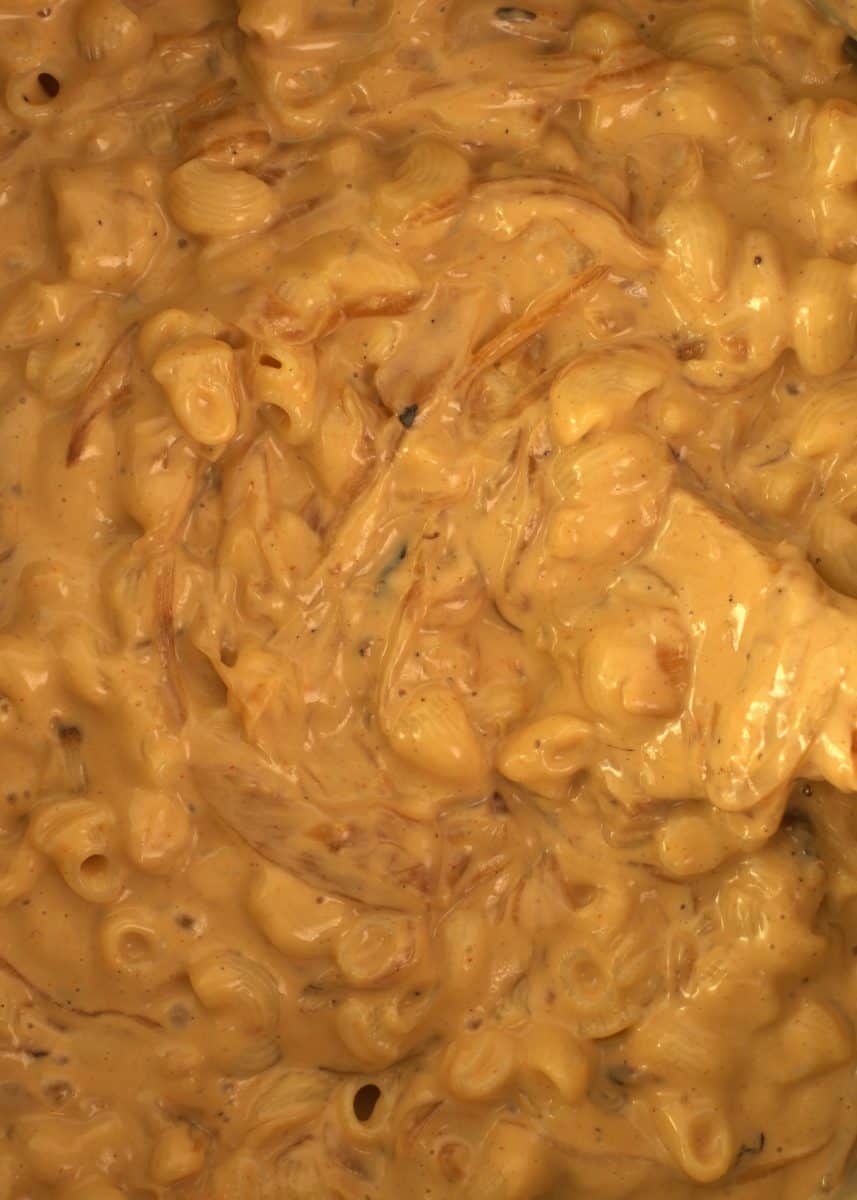
- Transfer the mixture to a baking dish, top it with additional cheese, and broil until the top is bubbly and golden.
- Allow the dish to rest for a few minutes before serving.
Variations and customization ideas
You can customize this recipe without losing its essence. Here are some suggestions:
- Add cooked mushrooms for a more earthy flavor.
- Top with crispy onions for added texture.
- Incorporate crispy bacon for a smoky, savory touch.
- Use Gruyère cheese for a more sophisticated flavor.
- Opt for whole wheat pasta if you prefer a nuttier taste.
Since the onion flavor is dominant, feel free to change the pasta shape or cheese blend while still achieving a balanced dish.

Equipment you need!
To prepare this rich and creamy French Onion Mac and Cheese, you will need the following tools:
- Large Pot: A pot large enough to cook the pasta and later mix it with the sauce, eliminating the need for extra bowls.
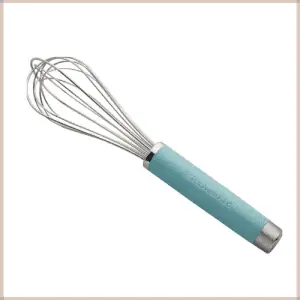
- Whisk: Essential for creating a smooth sauce. If you prefer, a sturdy wooden spatula works as well.
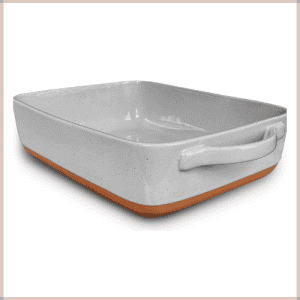
- Oven-Safe Pan: Make sure it is deep and wide enough to hold the mac and cheese and fit comfortably under your broiler.
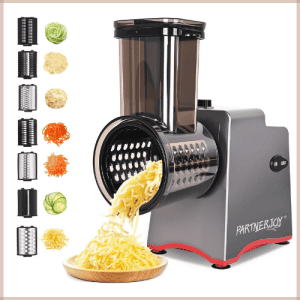
- Grater: An electric grater saves time, but a manual handle or standard box grater works perfectly fine.
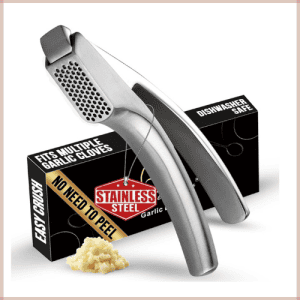
- Garlic Mincer: Useful for quickly and efficiently mincing fresh garlic cloves.
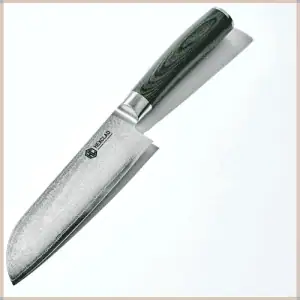
- Cutting Board and Knife: Necessary for slicing and chopping your ingredients, especially the onions for caramelizing.
With these tools ready, you’ll be fully equipped to make a perfectly creamy, cheesy, and flavorful mac and cheese.
 Buy Now →
  Buy Now →
  Buy Now →
  Buy Now →
  Buy Now →
  Buy Now →
  Buy Now →
 Serving ideas
You can serve French onion mac and cheese in various ways:
- As a main dish alongside a green salad for a refreshing contrast.
- As a side dish with grilled steak, chicken, or roasted vegetables.
- At holiday dinners, where guests appreciate familiar comfort food with a gourmet twist.
It reheats well and stays creamy when warmed gently.
Storage and reheating
- Store leftovers in an airtight container in the refrigerator for up to three days.
- To reheat, warm it on low heat and add a splash of milk or cream.
- You can also freeze the dish, but be aware that this may slightly alter the texture, as creamy sauces can separate. If you choose to freeze it, be sure to wrap it tightly and thaw it in the refrigerator before reheating.
French onion mac and cheese is a comforting dish that offers more flavor than most people anticipate. It combines a rich, creamy texture with sweet and savory notes, creating a familiar yet gourmet experience. If you like to experiment with flavors or are looking for a memorable side dish, this recipe is a reliable favorite.
When you serve this dish, be prepared for guests to ask for seconds and request the recipe. It’s that good!
Print
French Onion Mac and Cheese
Indulge in the ultimate comfort food with this French Onion Mac and Cheese. Creamy, cheesy, and loaded with sweet, caramelized onions, this decadent twist on a classic dish is perfect for weeknight dinners, special occasions, or a crowd-pleasing side for holidays.
- Total Time50 minutes
- Yield8–10 servings
- DietVegetarian
Ingredients
Pasta:
- 500 g (5 cups) elbow pasta
Caramelized Onions:
- 8 large yellow onions
- 3 tbsp butter
- 1 tsp salt
Cheese Sauce:
- 800 ml (3 ⅓ cups) evaporated milk
- 300 g (1 ¼ cups) heavy cream
- 600 g (6 cups) mozzarella cheese
- 350 g (3 cups) cheddar cheese
- 450 g (4 cups) smoked gouda cheese
- 2 tbsp all-purpose flour
- 2 garlic cloves
- 1 tsp Dijon mustard
- 1 tsp salt
- ½ tsp black pepper
- ¼ tsp white pepper
- 1 tsp smoked paprika
- ½ tsp onion powder
- ½ tsp garlic powder
Instructions
- Slice eight onions thinly. In a large pan, melt butter over medium-low heat, then add the onions and salt. Cook slowly, stirring occasionally, until the onions turn deep golden brown, become soft, and have a jam-like consistency. This process can take 30-40 minutes and is essential for developing the sweet, rich flavor that makes this dish special. Add garlic clove and cook it.
- While the onions are caramelizing, bring a pot of salted water to a boil and cook elbow pasta until it is slightly undercooked. Drain the pasta and set it aside. It will finish cooking in the oven and absorb the creamy sauce.
- In the pan with the caramelized onions, add in all-purpose flour and cook for a minute or two to create a light colored roux. Gradually whisk in evaporated milk and heavy cream, forming a smooth, creamy base. Season the sauce with Dijon mustard, salt, black pepper, white pepper, smoked paprika, onion powder, and garlic powder to taste.
- Turn off the heat and slowly stir in the cheese in two portions: mozzarella, cheddar, and smoked gouda. Continue to mix until the cheese is fully melted and the sauce is velvety smooth.
- Gently fold the cooked pasta into the cheese sauce, ensuring that every piece is evenly coated with the creamy, onion-packed sauce.
- Transfer the mixture to a baking dish and top with extra cheese. Broil until the top is bubbly and golden brown, which should take about 2 to 10 minutes, depending on your oven.
- Allow the dish to rest for a few minutes before serving. This will let the sauce thicken slightly and make it easier to portion. Serve it as a comforting main dish or as a decadent side for any meal.
- Category: Main Course, Side Dish
- Method: Baking, Stovetop
- Cuisine: American
Nutrition
- Serving Size: 1 portion
- Calories: 780
- Sugar: 2 g
- Sodium: 950 mg
- Fat: 42 g
- Saturated Fat: 25 g
- Unsaturated Fat: 13 g
- Trans Fat: 0.5 g
- Carbohydrates: 62 g
- Fiber: 2 g
- Protein: 36 g
- Cholesterol: 125 mg




Please read before making this dish!
I’ll start off by saying this dish has amazing flavors and is well worth making. The caramelized onions are a beautiful touch to a classic dish! However, I’d highly recommend a couple of alterations:
500g pasta is not enough – I used nearly twice that which I found to be a good amount. No need to increase amount of other ingredients, other than spices as preferred.
Do NOT use 8 large onions unless you’re an onion freak. I’d recommend 4 large onions for 1000g pasta or 2 for 500g.
hi! Did you measure the pasta when it was not cooked or after cooking?